Project overview
As part of the state's fish recovery efforts, WSDOT has made it a priority to reconnect waterways where our roads act as barriers. In western Washington, that means building hundreds of fish passable structures under state highways in the next decade to create habitat gain essential for meeting our fish recovery goals.
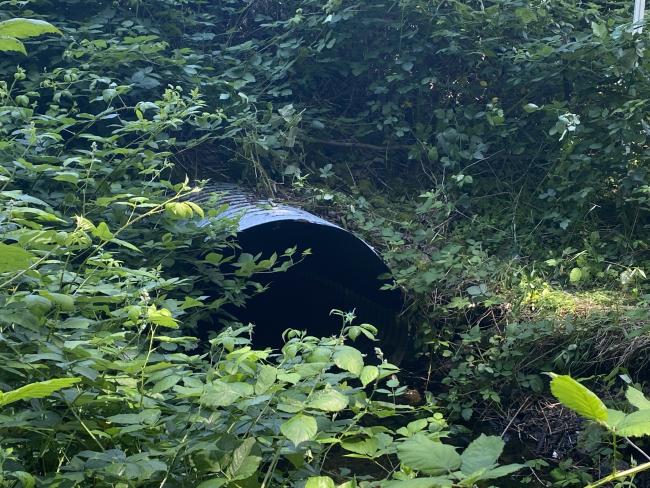
During summer 2023, WSDOT replaced a round, 36-inch pipe that carries North Creek under State Route 96 in Snohomish County with a 25-foot, three-sided concrete structure with wing walls.
What to expect
Major construction has completed.
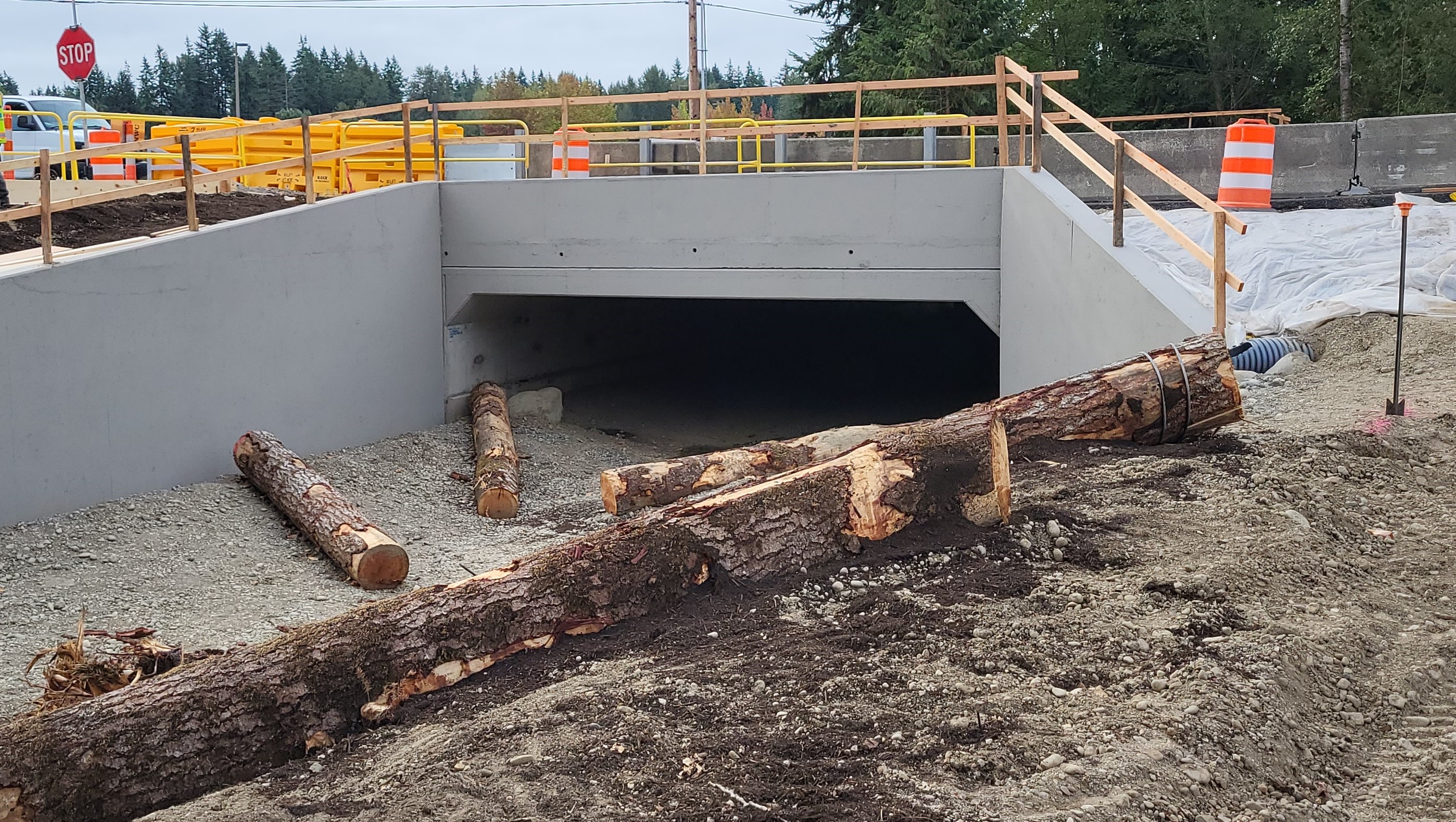
WSDOT installed a new 25-foot box culvert under State Route 96 to improve fish passage along a section of North Creek.
To protect and restore salmon runs, WSDOT is correcting fish barriers found on state highways. Since 1991, when WSDOT created a dedicated program, 365 barriers have been corrected, opening a total of 1,215 miles of fish habitat.
Opening habitat allows more salmon and steelhead at all life stages (including juveniles who aren’t yet strong swimmers like adults) to access important spawning and rearing habitat, including areas that haven’t been accessed in years.
The new fish passages will benefit many species by creating new rearing and spawning habitat.
Environmental justice
Barrier culverts prevent Tribes in western Washington from benefiting from their treaty-based fishing rights. While we have made progress since 1991, a 2013 federal court injunction requires us to speed up our fish passage work in western Washington. This project is part of WSDOT’s 2030 Fish Passage Delivery Plan to open 90% of habitat blocked by state culverts.
In designing this project, WSDOT has worked closely with the Muckleshoot Indian Tribe to select hydraulic specifications that ensure a strong revitalization Sunset Creek, and a return of fish to their natural habitat.
More fish, more jobs
According to the National Oceanic and Atmospheric Administration, Washington’s seafood industry supports 64,000 jobs and $3.7 billion in economic value. These economic benefits depend on our state’s mission to reverse species decline and boost recovery rates. That is only possible if we make gains in habitat for spawning and rearing.