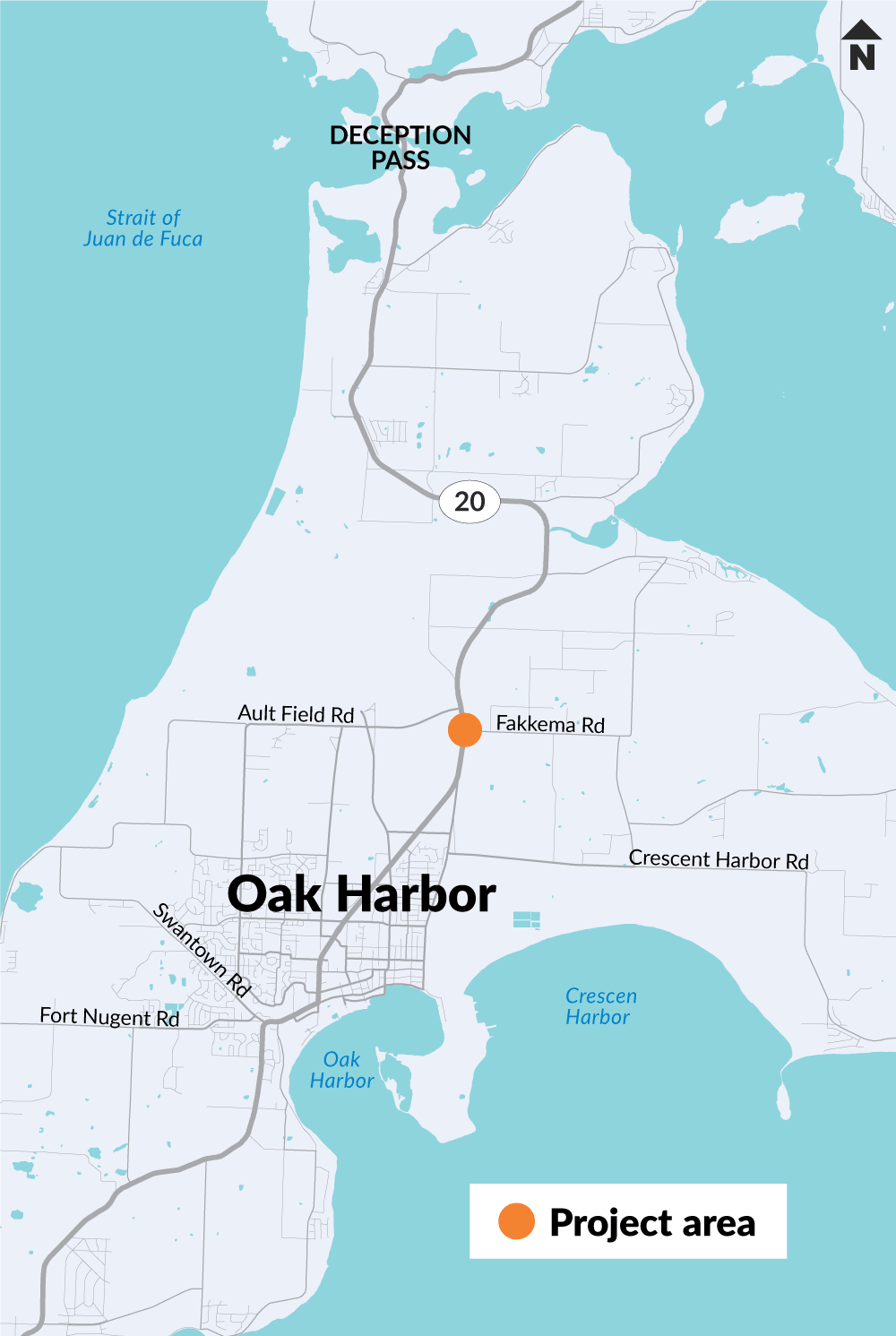
SR 20 is the main highway on northern Whidbey Island. Over 17,000 vehicles travel SR 20 at West Fakkema Road every day, up 6 percent in the last ten years. Drivers entering SR 20 at the West Fakkema Road interchange encounter increasing levels of traffic traveling at speeds up to 55 m.p.h.
WSDOT identified the intersection at SR 20 and Fakkema Road as a part of the state’s ongoing highway safety improvement program. A compact roundabout was selected as a cost-effective solution to improve safety for the growing number of travelers on SR 20.
Roundabouts, an effective intersection with fewer conflict points and lower speeds, provide for easier decision-making. Well-designed roundabouts have been found to reduce injury collisions by 75 percent and fatal collisions by 90 percent.
A reduction in maintenance costs, traffic delays, fuel consumption, and air pollution are some of the other benefits of roundabouts. They also have a traffic-calming effect by reducing vehicle speeds using geometric design rather than relying solely on traffic control devices.
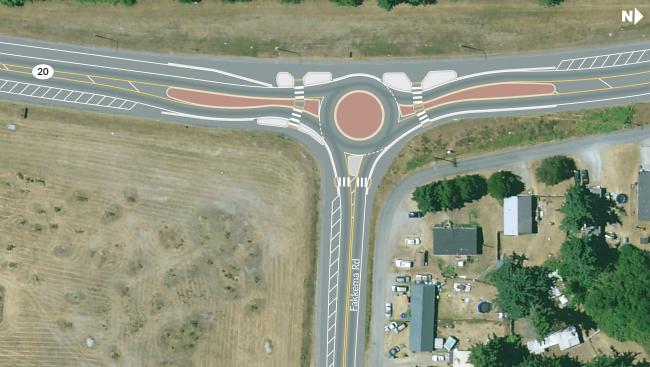
Compact roundabouts, such as the one used in this project, require less pavement. The raised center islands, used to direct traffic and reduce speed, act as an extra lane for large trucks. The back wheels of oversized vehicles can ride up on the truck apron so the trucks can easily complete the turn. The roundabout will stay within the existing pavement limits and will not require the purchase of land which makes it cost-effective.
$2.75 million from pre-existing funds.
A conceptual drawing of the roundabout on SR 20 at the West Fakkema Road intersection.
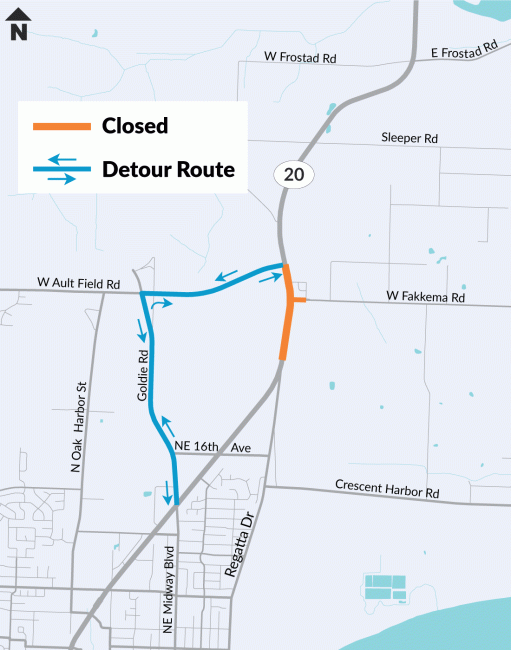
Eastbound and westbound SR 20 travelers will be detoured around the work zone at West Fakkema Road using West Ault Field Road and Goldie Road to rejoin SR 20.
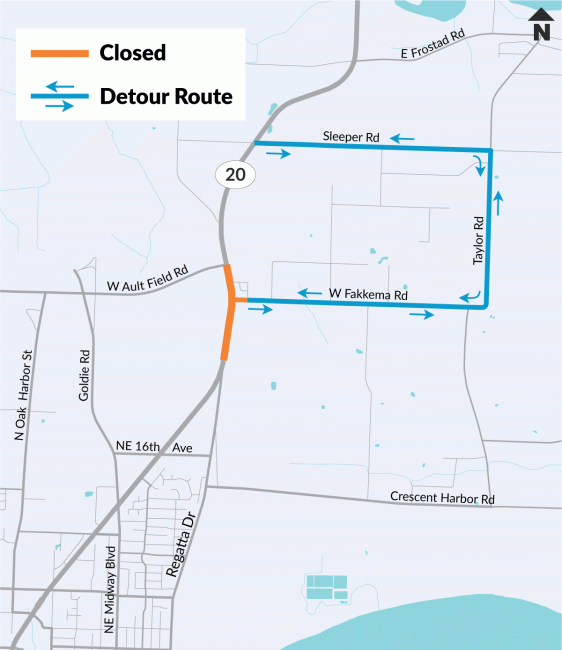
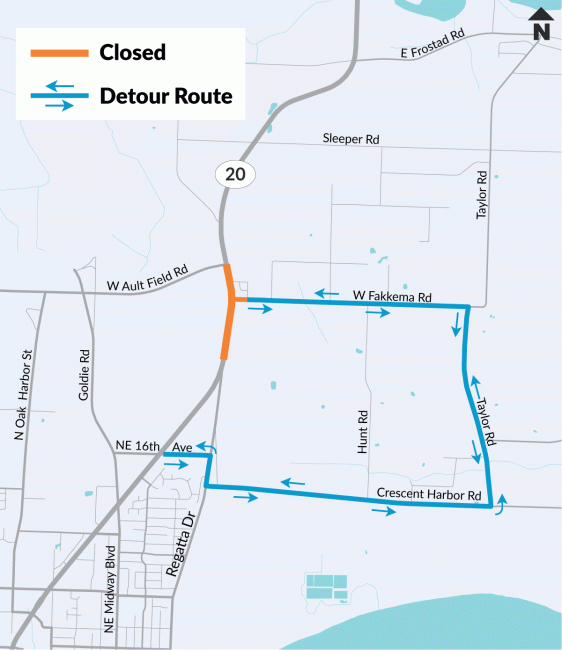
For local travelers, one of the two detours around the work zone on SR 20 at West Fakkema Road using West Fakkema Road to Taylor Road to East Sleeper Road.
For local travelers, one of the two detours around the work zone on SR 20 at West Fakkema Road using NE 16th Avenue to West Crescent Harbor Road to Taylor Road to West Fakkema Road.