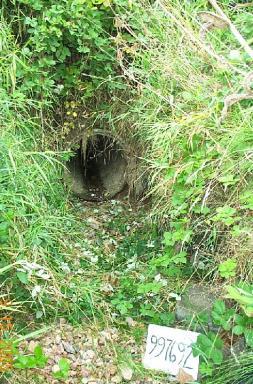
To protect and restore fish runs, WSDOT is correcting fish barriers found under state highways. Since 1991, when WSDOT created a dedicated program, 365 barriers have been corrected, opening a total of 1,215 miles of fish habitat.
We will replace existing culverts with new fish passable structures. Opening habitat allows more salmon and steelhead at all life stages, including juveniles that aren’t yet strong swimmers like adults, to access important spawning and rearing habitat, including areas that haven’t been accessed in years.
Improvements to fish passage also benefits commercial seafood operations, recreational fishers, and provides more food for our declining orca population. In addition, replacing these culverts helps us meeting our obligation to remove barriers under a 2013 U.S. District Court injunction.
About the creeks
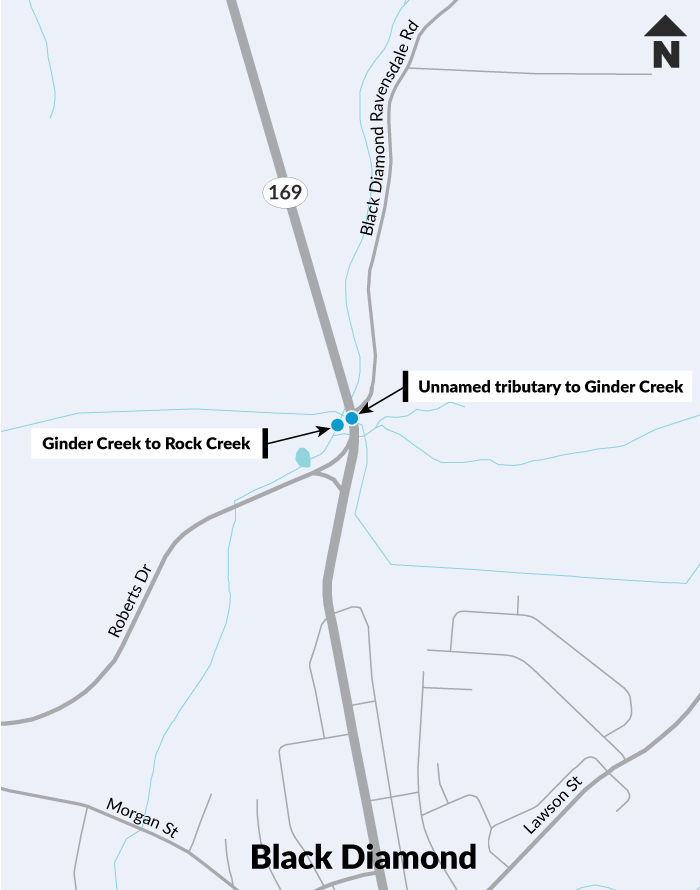
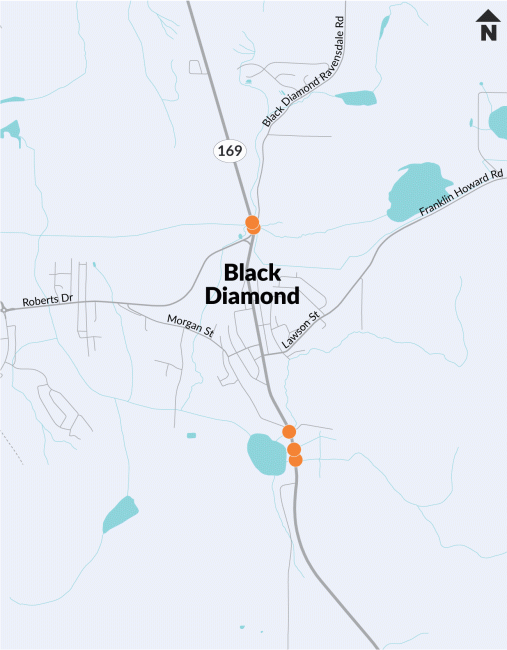
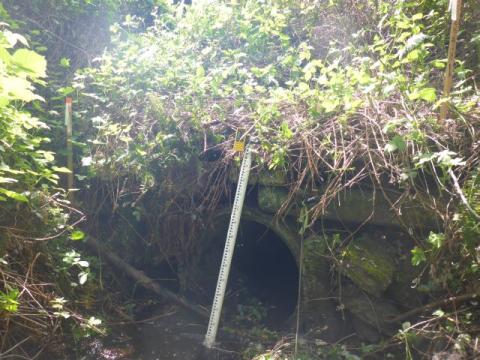
Located north of Black Diamond, there are two culverts that allow Ginder Creek and an unnamed tributary to pass under SR 169 near Roberts Drive.
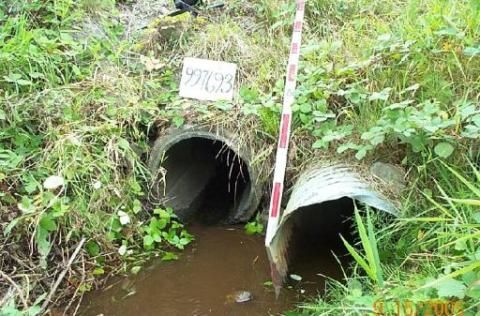
South of Black Diamond, east of Jones Lake, there are three streams that are tributaries to the lake: Rock Creek, and two unnamed tributaries. New fish passage structures will greatly benefit the chum, coho, resident trout, steelhead and sea-run cutthroat that use these creeks. Replacing these culverts north and south of Black Diamond creates a combined potential habitat gain of 4.6 miles.
Work on SR 169 could begin as soon as early 2025, except at Ginder Creek. Work cannot begin there until May 2026 at the earliest. Work at all locations is anticipated to be completed by 2029.
Milestone
2024
Advertise for competitive building
2025
Design builder selected
2026
Construction begins at Rock Creek and two unnamed tributaries
2027
Construction begins at Ginder Creek and unnamed tributary
2029
Tentative construction completion
The estimated total project cost for the fish passages on SR 169 is $72.9 million.
Read about WSDOT’s fish passage program.
Learn more about the 2013 U.S. District Court injunction requiring WSDOT to speed up work on removing barriers to fish passage.
Watch our video about correcting fish barriers under our highway system.