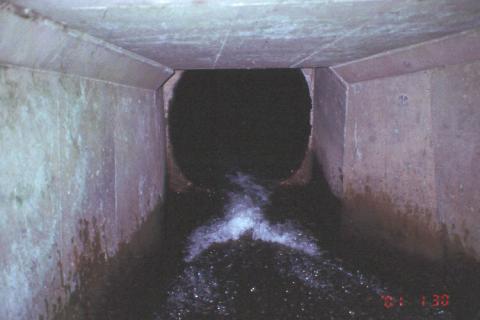
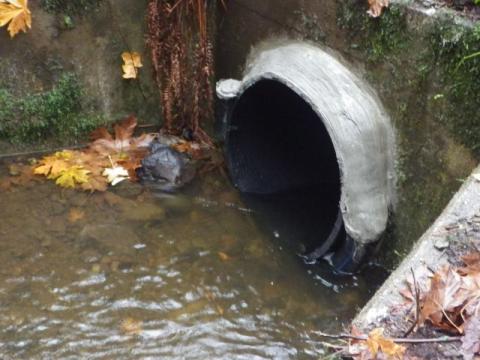
To protect and restore fish runs, WSDOT is correcting fish barriers found under state highways. Since 1991, when WSDOT created a dedicated program, hundreds barriers have been corrected, opening more than 1,200 miles of fish habitat.
Replacing the culverts that carry Lewis, West Village Park and Schneider creeks under I-90 and adjacent surface streets with new fish passable structures increases the likelihood of fish migration in these streams.
Opening habitat allows more salmon and steelhead at all life stages, including juveniles that aren’t yet strong swimmers like adults, to access important spawning and rearing habitat, including areas that haven’t been accessed in years.
Improvements to fish passage also benefits commercial seafood operations, recreational fishers and provides more food for our declining orca population. In addition, replacing these culverts helps us meeting our obligation to remove barriers under a 2013 U.S. District Court injunction.
About the creeks at I-90
Lewis Creek runs under I-90 near Lakemont Boulevard. It serves as a tributary to Lake Sammamish. The culverts under I-90 are considered completely impassable. Lewis Creek is home to Chinook, coho, resident trout, steelhead, sockeye and sea-run cutthroat. Replacing the existing culverts with a new fish passable structure will result in a potential habitat gain of more than 2.5 miles.
West Village Park Creek flows under I-90 just east of Southeast 51st Street. As a tributary to Lake Sammamish, the creek is home to Coho, resident trout, steelhead, and sea-run cutthroat. The culvert carrying the creek is considered completely impassable. There is a potential habitat gain of more than a half-mile by replacing the existing culvert with a new fish passable structure.
Schneider Creek is located near the west edge of Lake Sammamish State Park and runs under I-90 as well. It is only 33% percent passable. The Coho, resident trout, steelhead, sockeye salmon and sea-run cutthroat runs will be better served by a larger structure, offering a potential gain of nearly three-quarters of a mile of new habitat.
Until a contractor is selected, we cannot specify when the work on I-90 will begin. Work at all locations is scheduled for completion by December 2029.
Milestone
2020 - 2023
Design engineering
2024
Request proposals from contractors
2029
Tentative project completion for all locations
For efficiency and savings, these I-90 and SR 900 fish passage projects have been bundled. The estimated total cost for all combined locations is $289 million
The estimated total project costs for each of the I-90 locations are:
- Lewis Creek crossing: $73 million.
- West Village Park and Schneider Creek crossings: $107 million.
Read about WSDOT's fish passage program.
Learn more about the 2013 U.S. District Court injunction requiring WSDOT to speed up work on removing barriers to fish passage.
Watch our video about correcting fish barriers under our highway system.